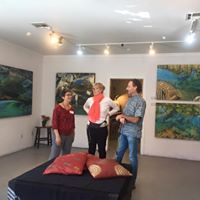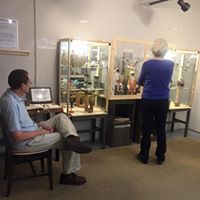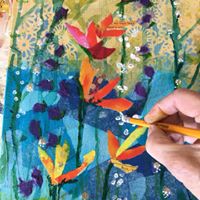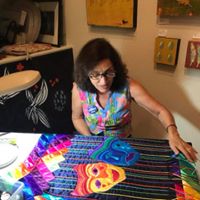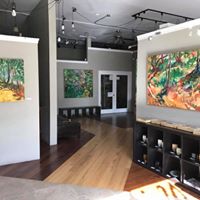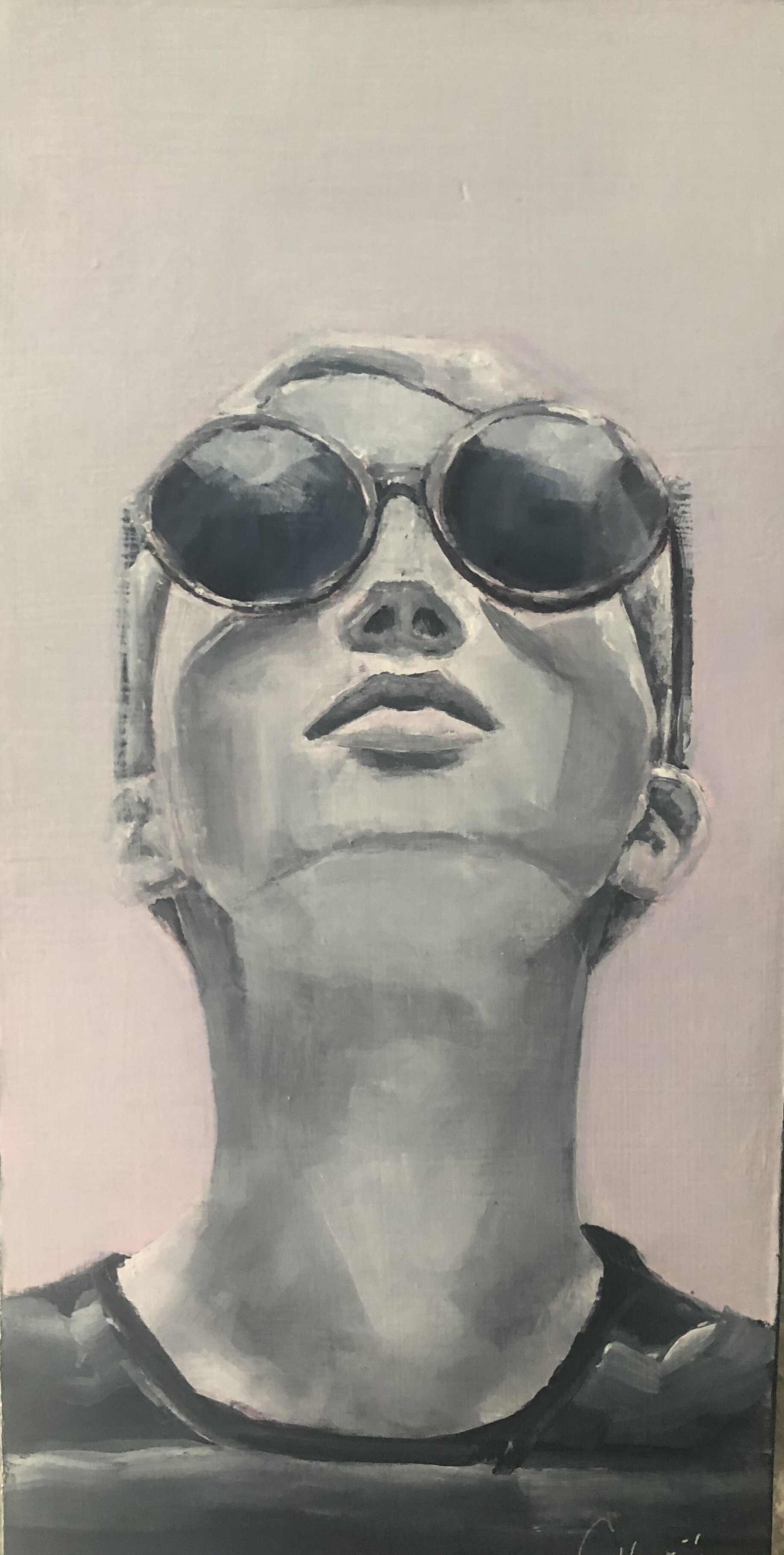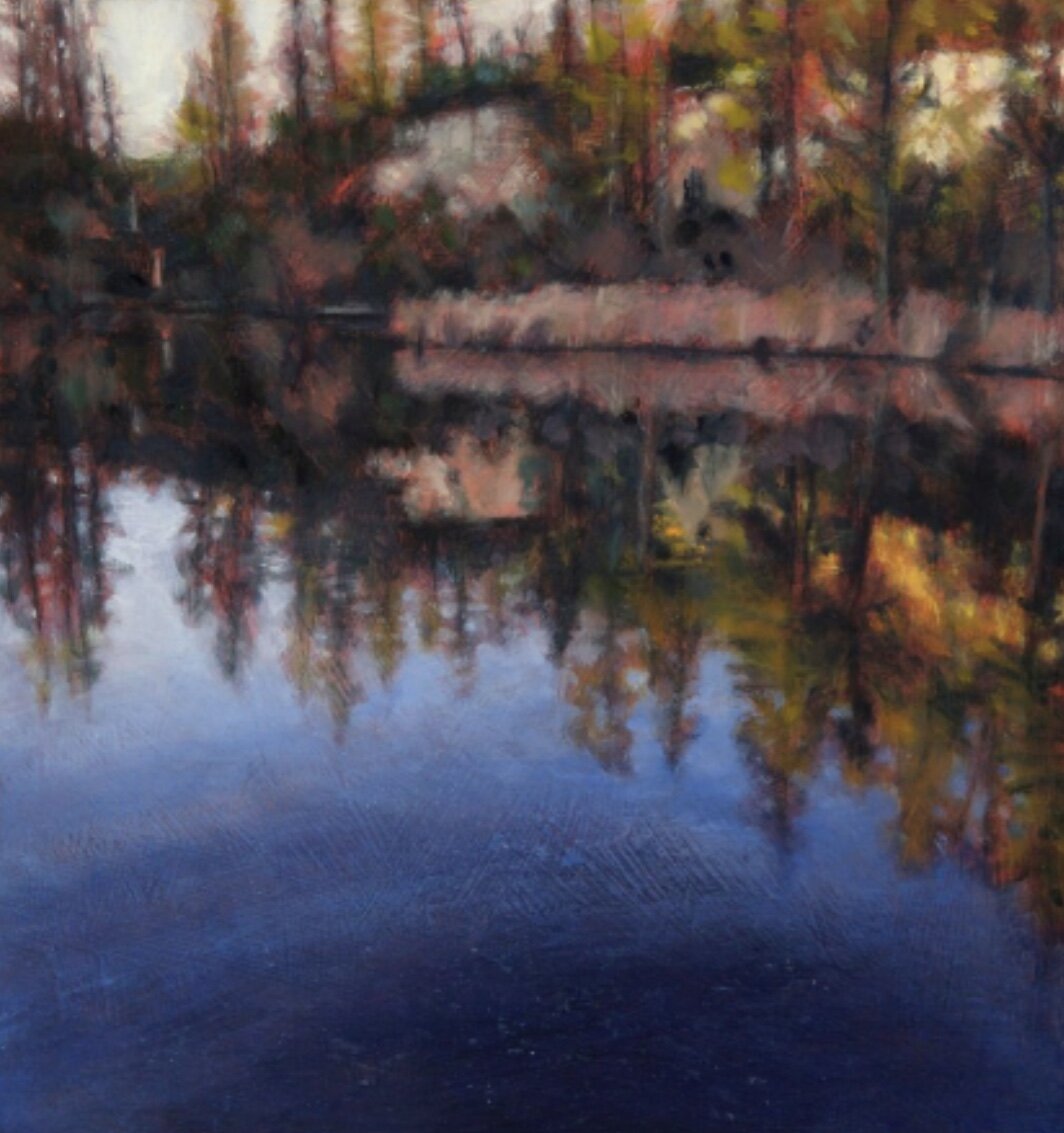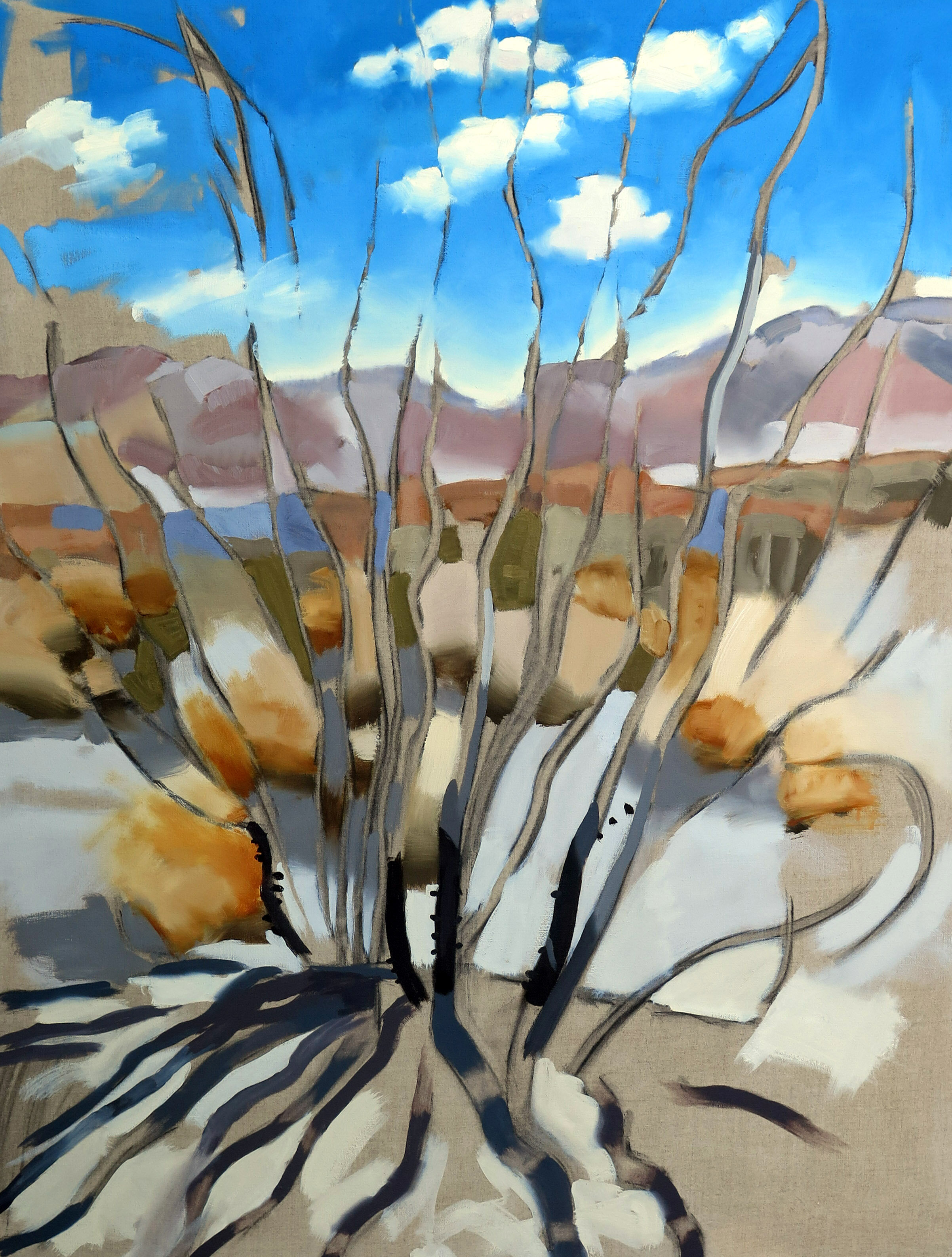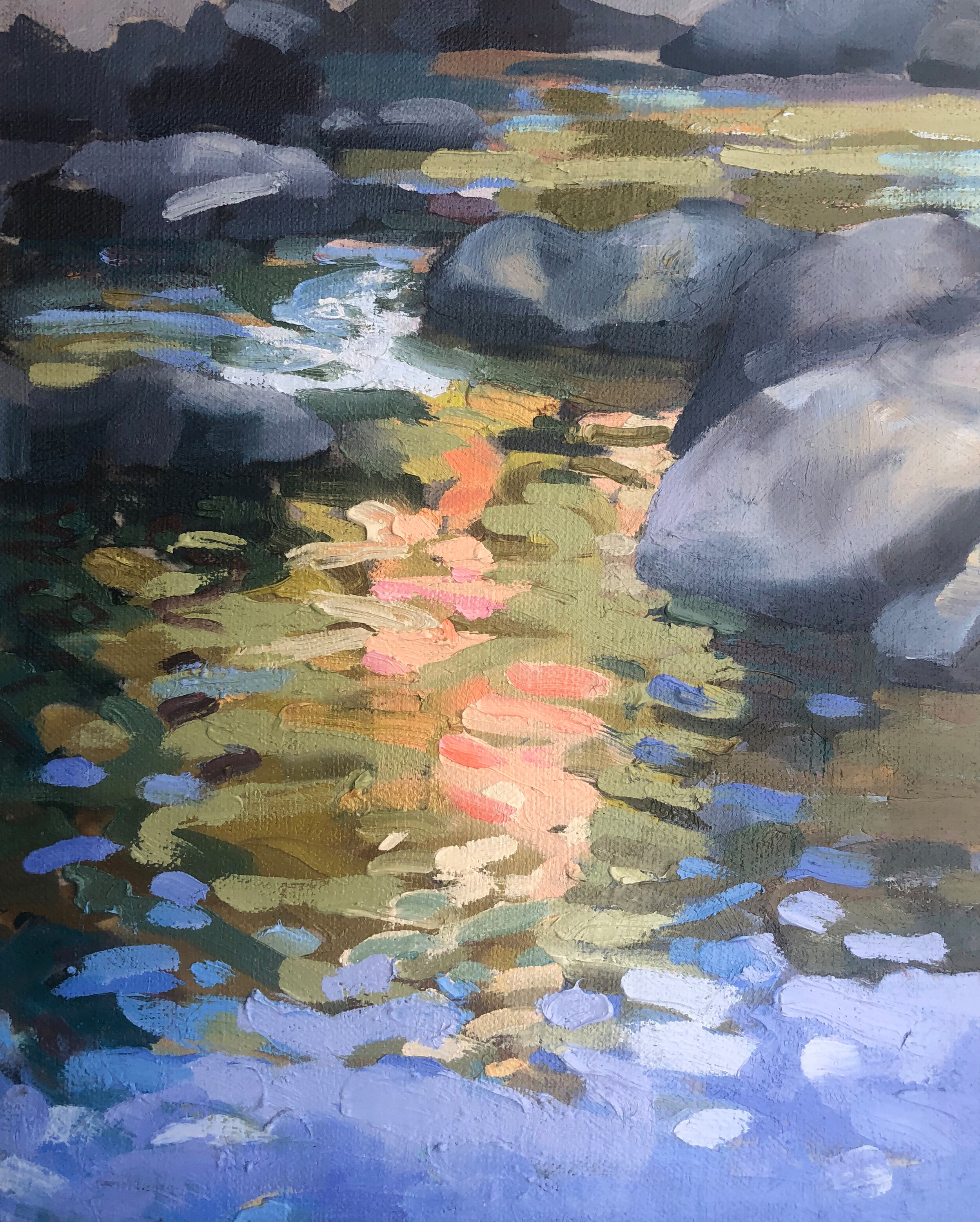
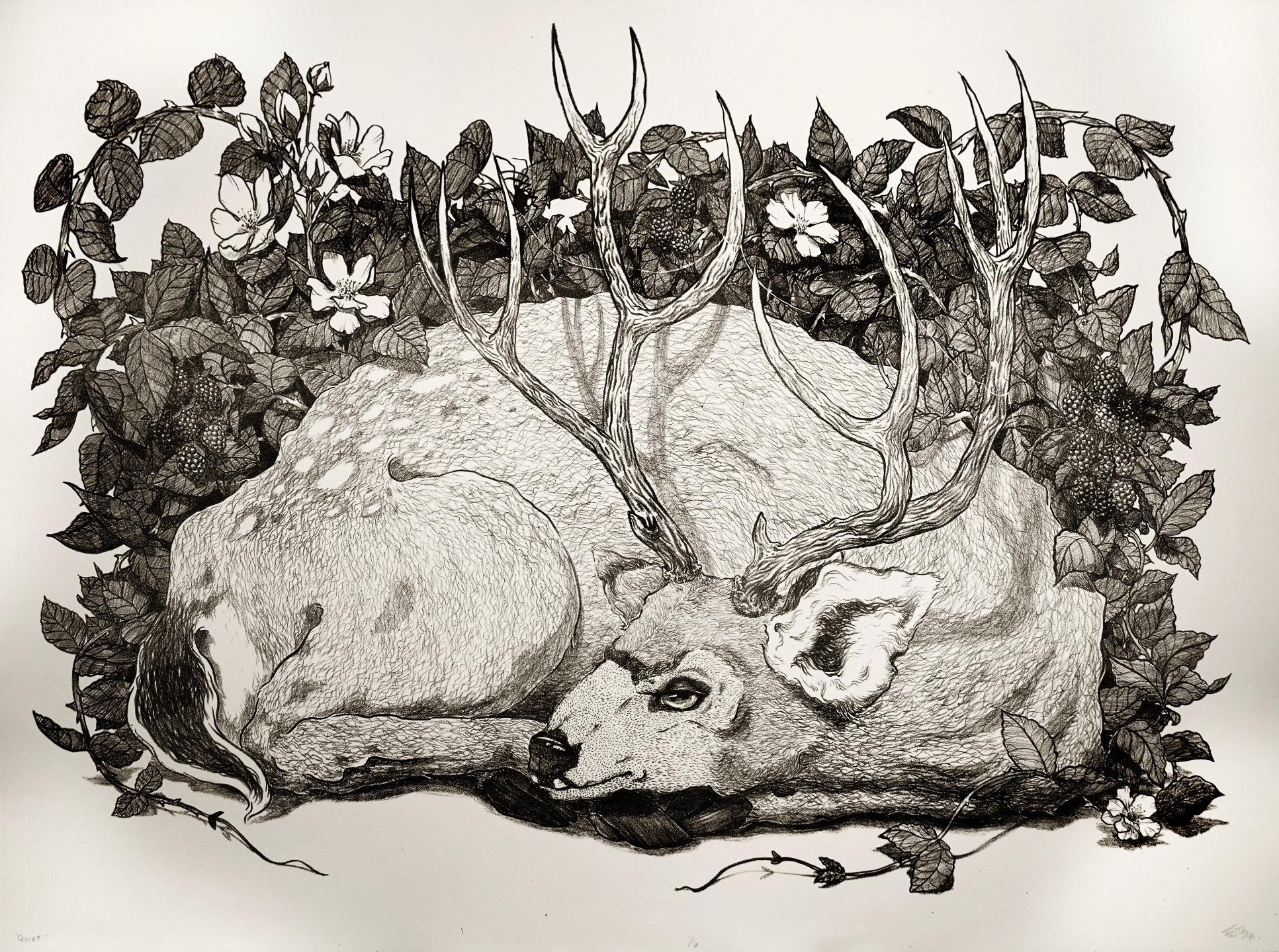
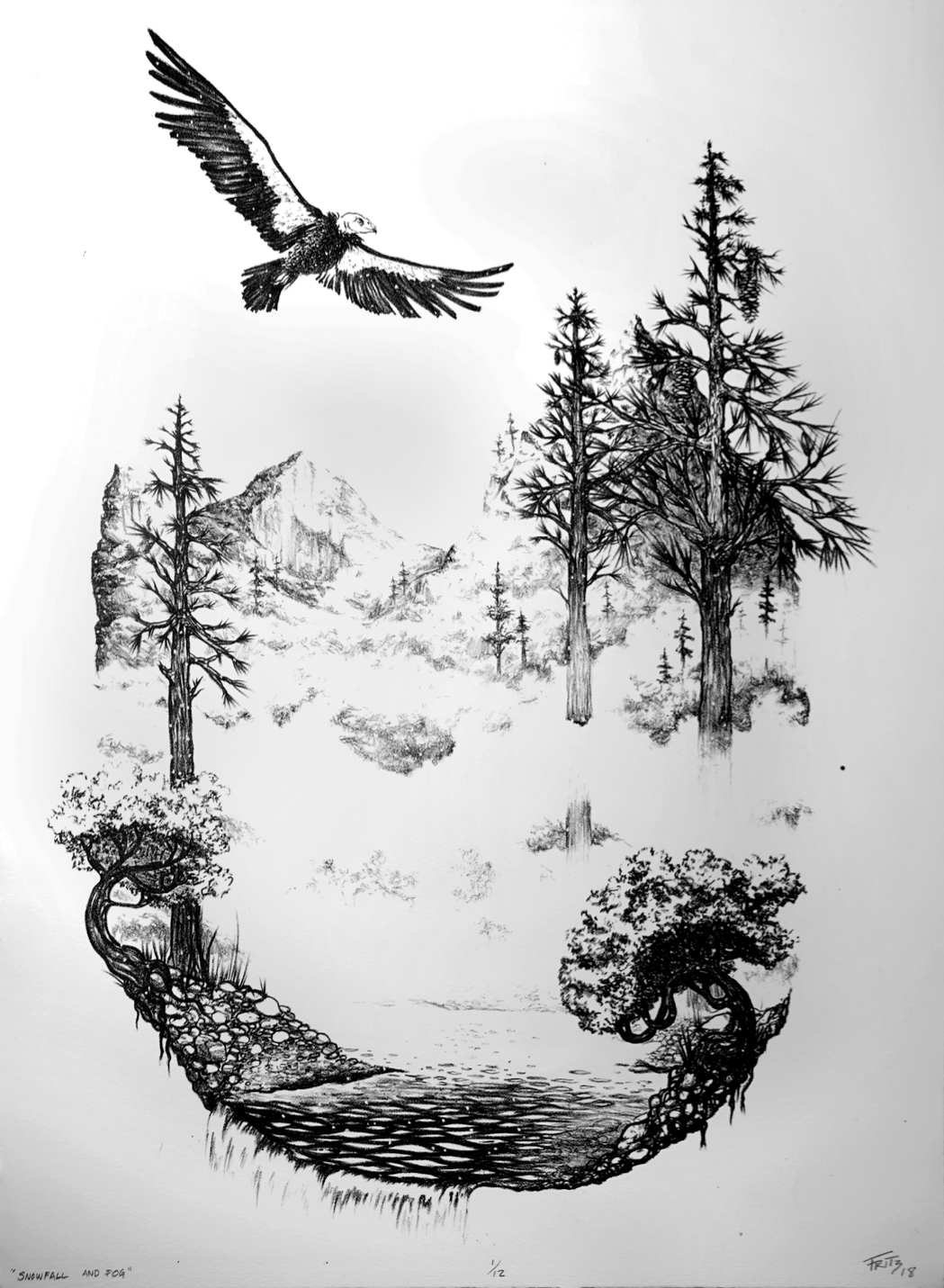
GOLDEN - Lithography Exhibition - May 22 - July 4
ASiF’s Spring - 2026 Invitational Show Featuring:
GOLDEN - by Rachel Fritz &
ABANDONED THINGS - by David Arnold
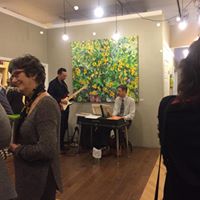
Opening Reception: Friday, May 22, 5 - 8pm
Art Talk begins at 6:30pm
Rachel Fritz is a multidisciplinary artist whose work is inspired by the natural beauty of California. Born and raised in the Placer and Nevada County region of California, she has long held the Sierra Foothills as a place of magic and creative inspiration. Surrounded by nature from an early age, she developed a deep connection to the landscape through drawing and observing the natural world around her. Through years of travel and exploration of various coastal and urban regions of California, the artist in her always found she longed for the beauty and wildness of the Sierra Foothills and the emotional resonance she feels while immersed in the landscape that first inspired her artistic voice and became the origin of her muse.
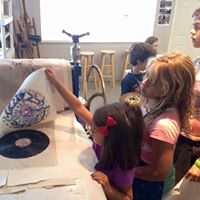
Fritz's journey into printmaking began at Cabrillo College, where she formed an immediate connection to the process of deconstructing and reproducing drawn images. It was during her years of study at California State University, Long Beach, where she was introduced to lithography, a printmaking process which dates back to the 1790s, traditionally used for reproducing maps and musical scores. The process of lithography involves drawing with a greasy substance such as oil, wax, or fat onto large, perfectly smooth limestone surfaces. The stone is then treated with an acidic solution which etches only the untouched, ungreased areas, allowing the drawn image to be reproduced through ink transfer. Fritz was especially captivated by the illustrative quality of lithography as she embraced the rare opportunity to work in a university studio known for housing one of the largest collections of lithographic stones and presses available to students.
Having returned to the Sierra Foothills, Rachel continues to create work inspired by nature and her enduring love for the region. While lithography has become less accessible to her as a medium, she continues to expand her artistic practice through screen printing and relief printing, combining printing techniques with textile art to produce one-of-a-kind and small-batch apparel pieces. She has continued to explore her passion for illustration through digital graphics and design, while her fine art practice extends across paintings on canvas, upcycled vintage clothing, and murals. Across all mediums, her work remains rooted in storytelling and a lasting connection to the California landscape.
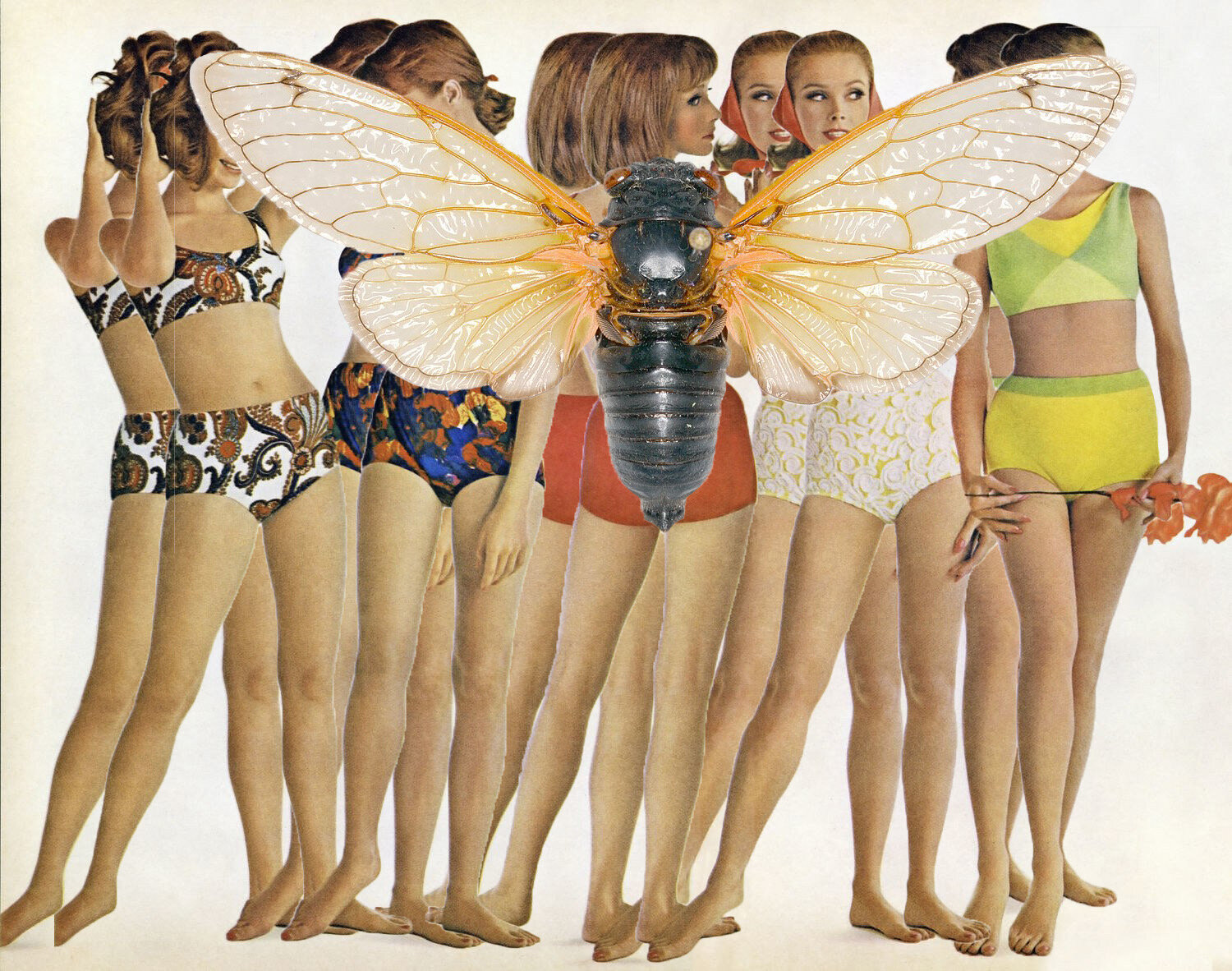
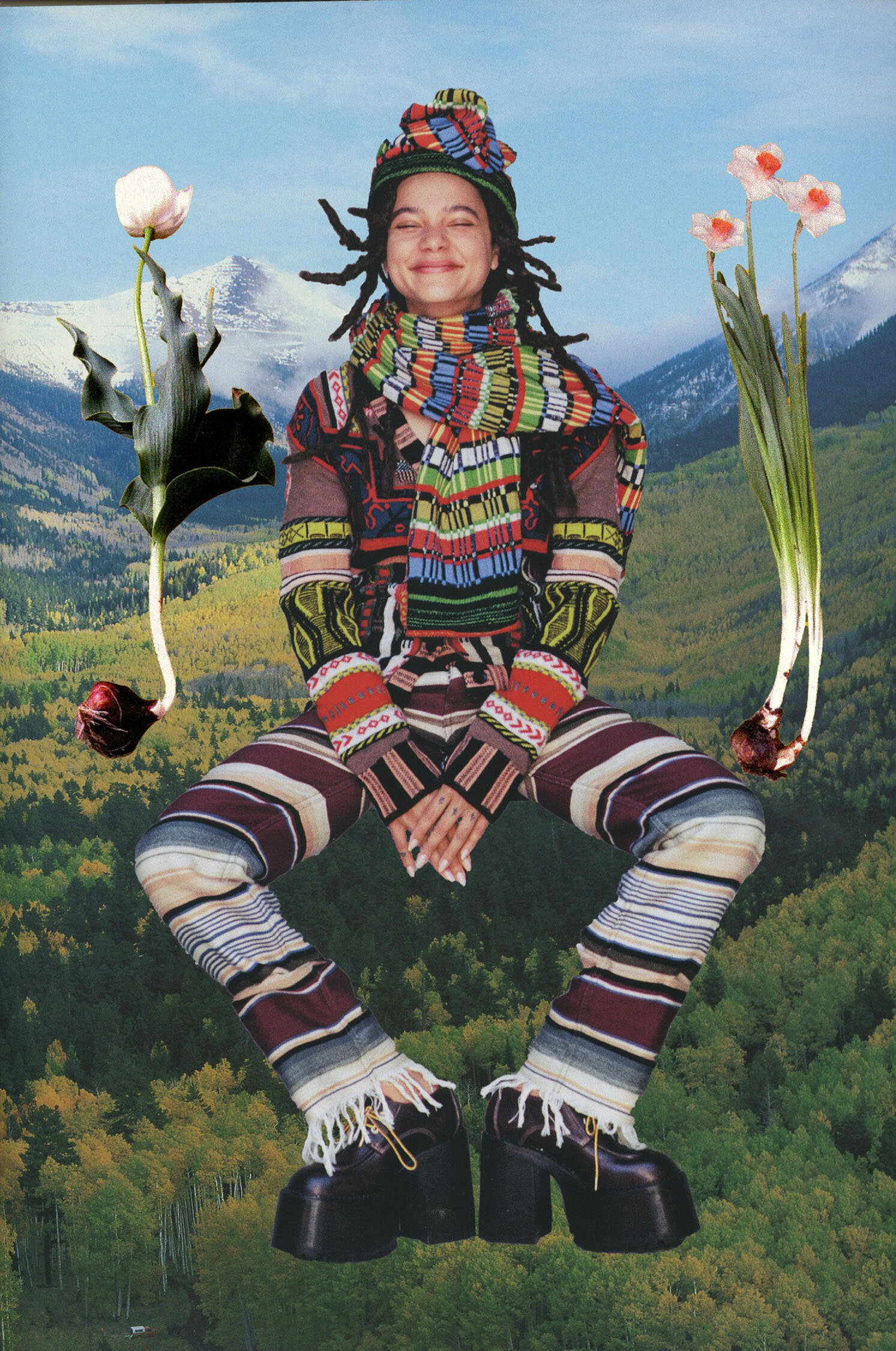
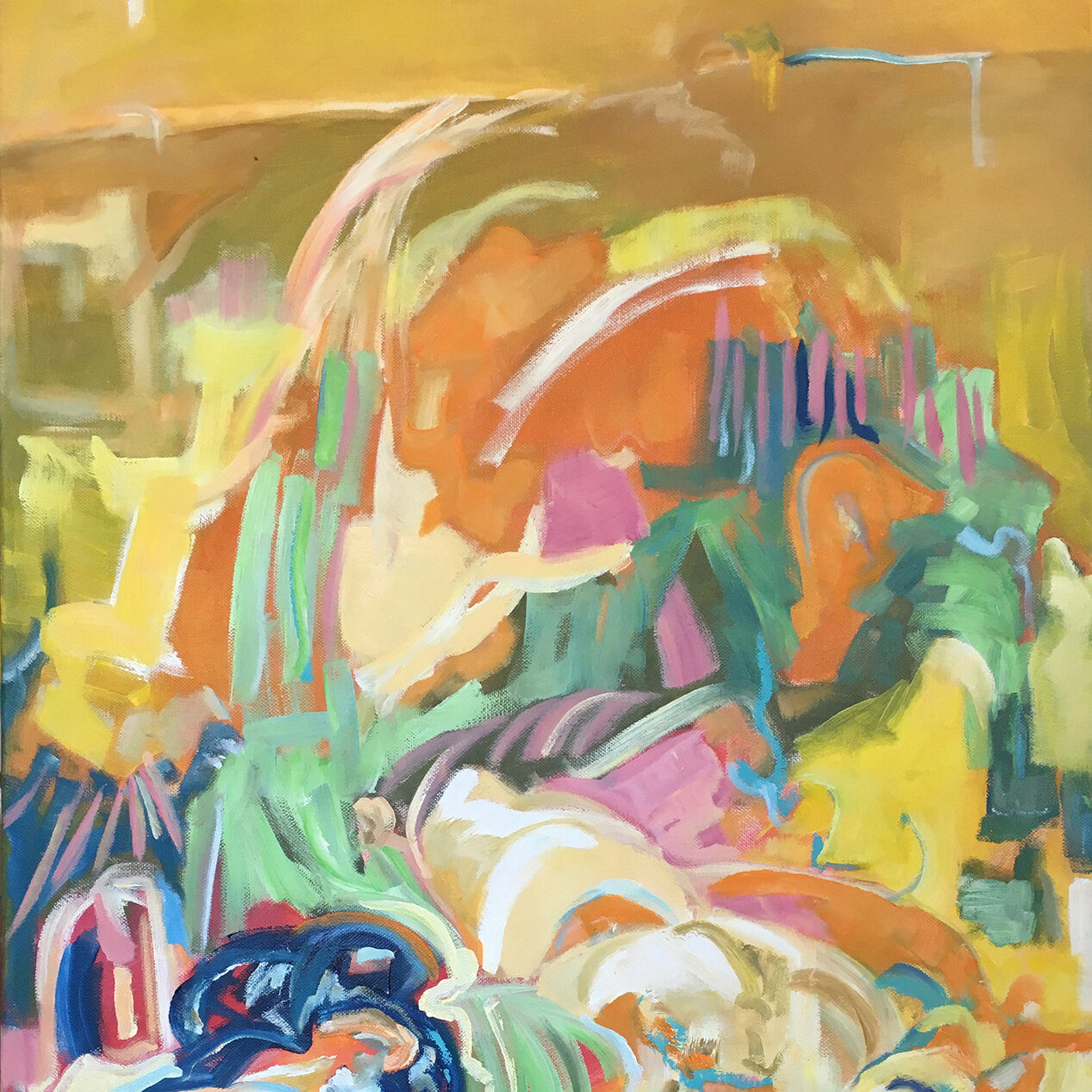
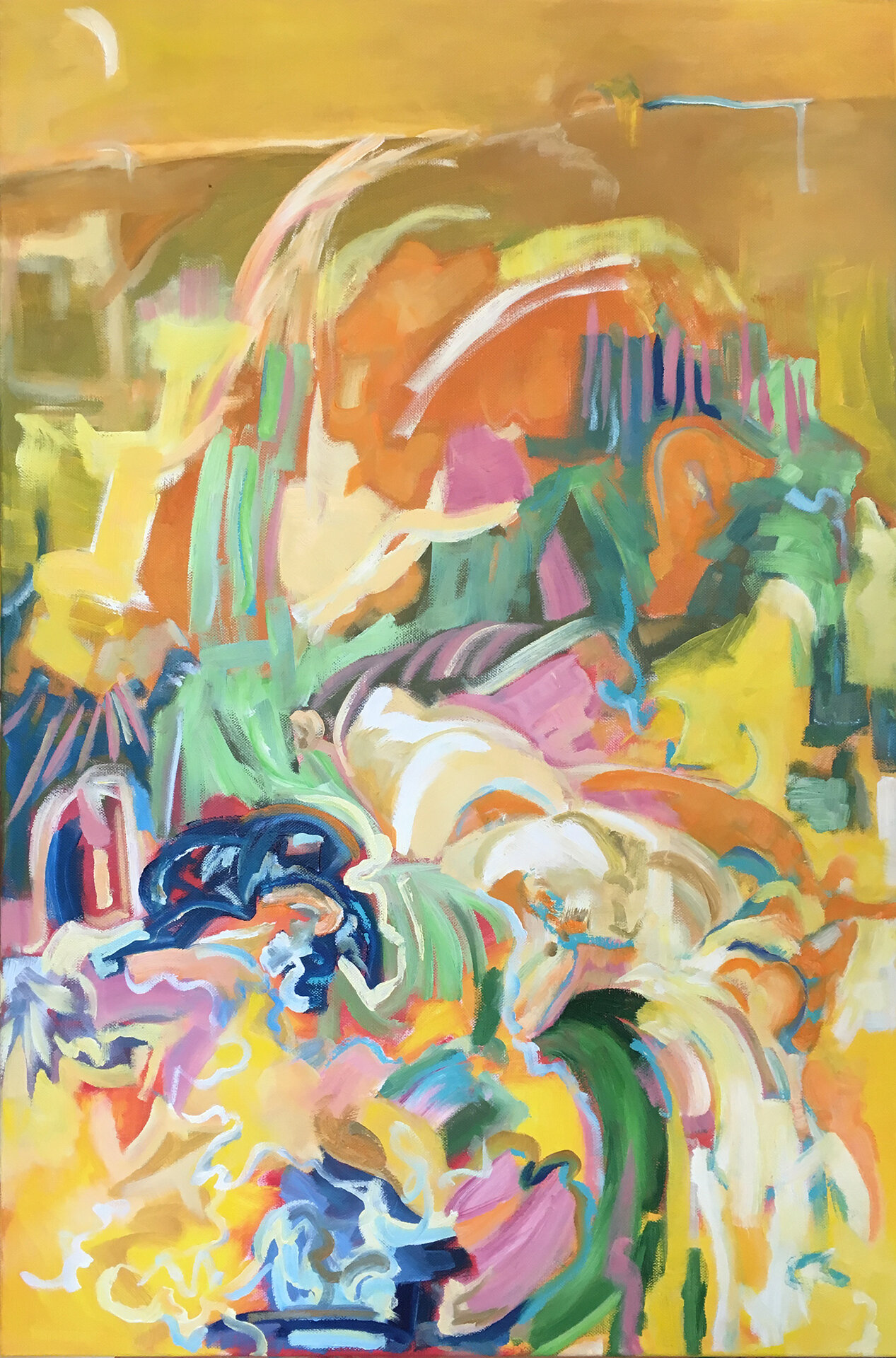
Golden reflects Rachel’s personal journey through California’s varied lands and ecosystems. The series captures the contrast between mountain ranges, oceans, and even the “jungles” of urban environments, while celebrating the interconnected beauty of the state and the diverse life it sustains. At its core, the collection is both a tribute to California and a reflection of the emotional pull of home it represents for her.
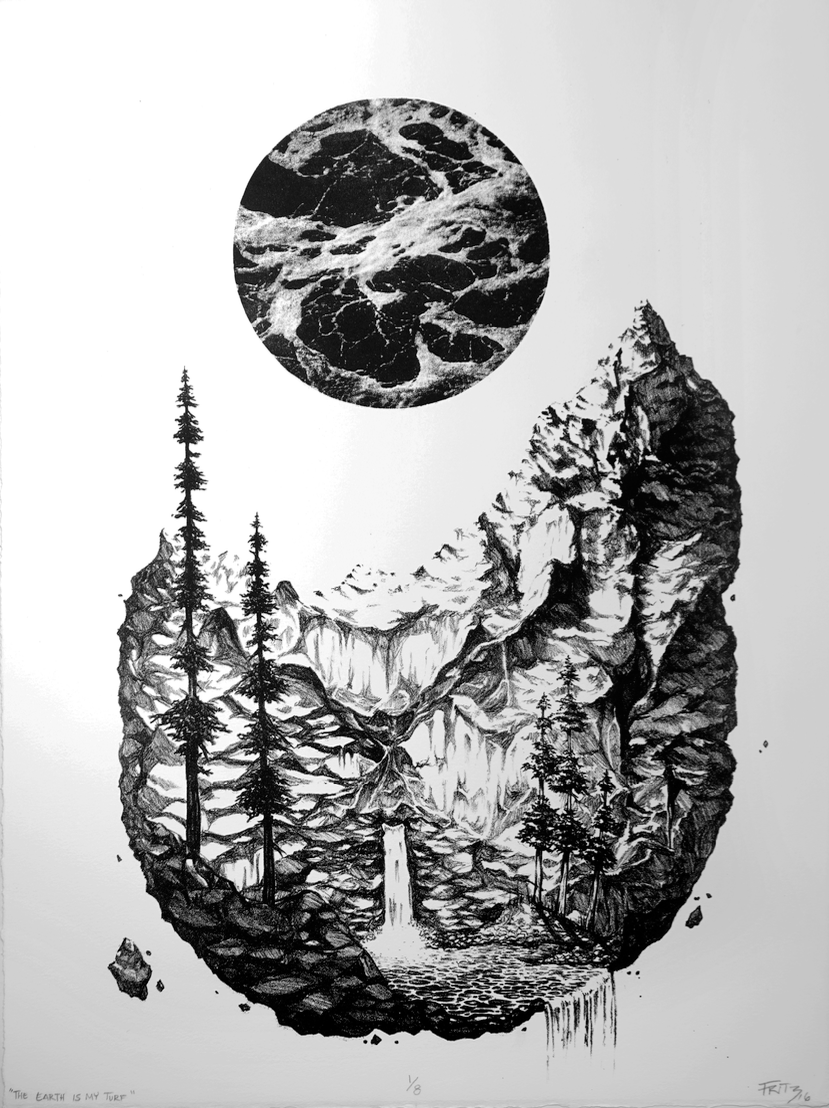
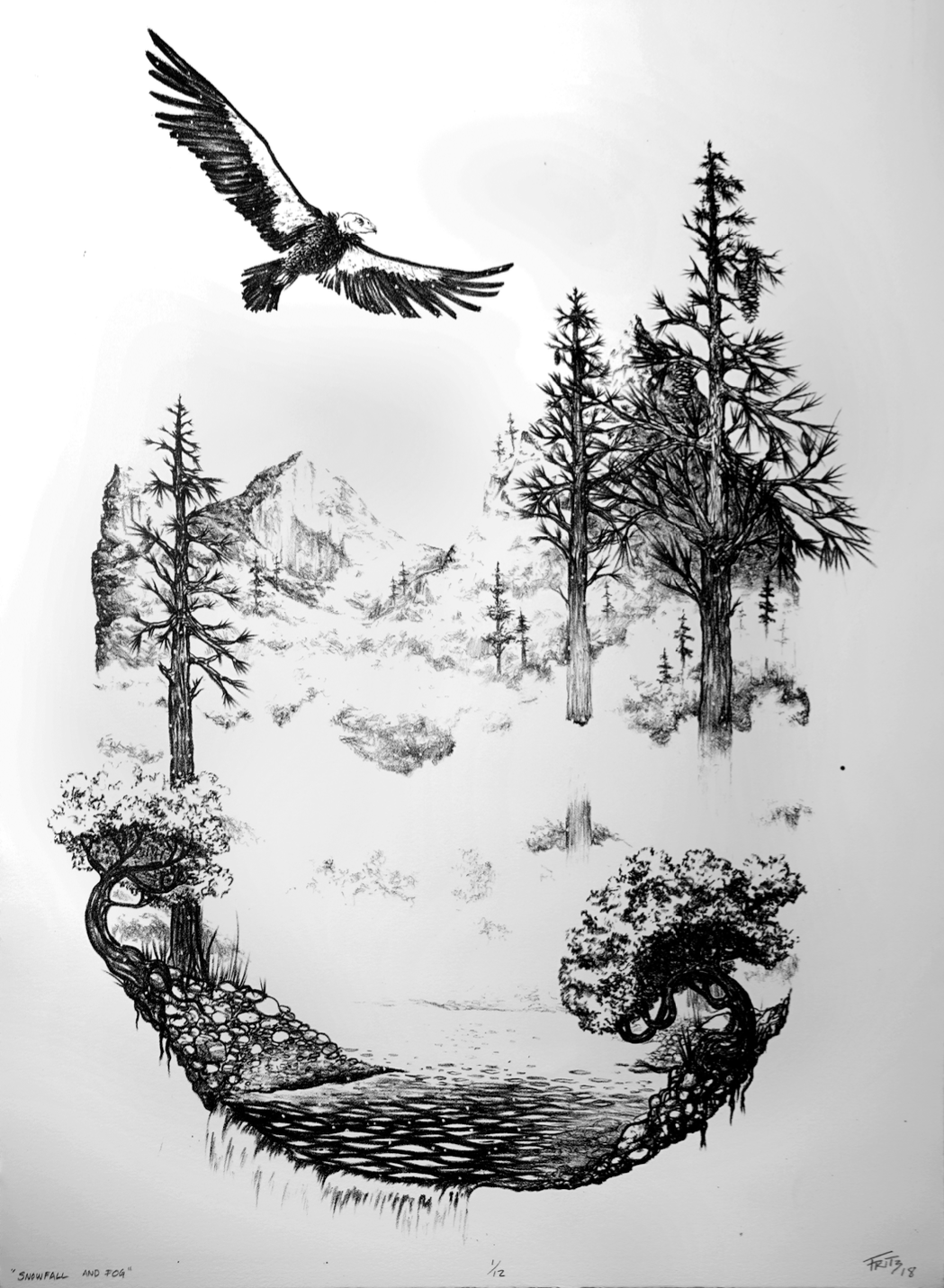
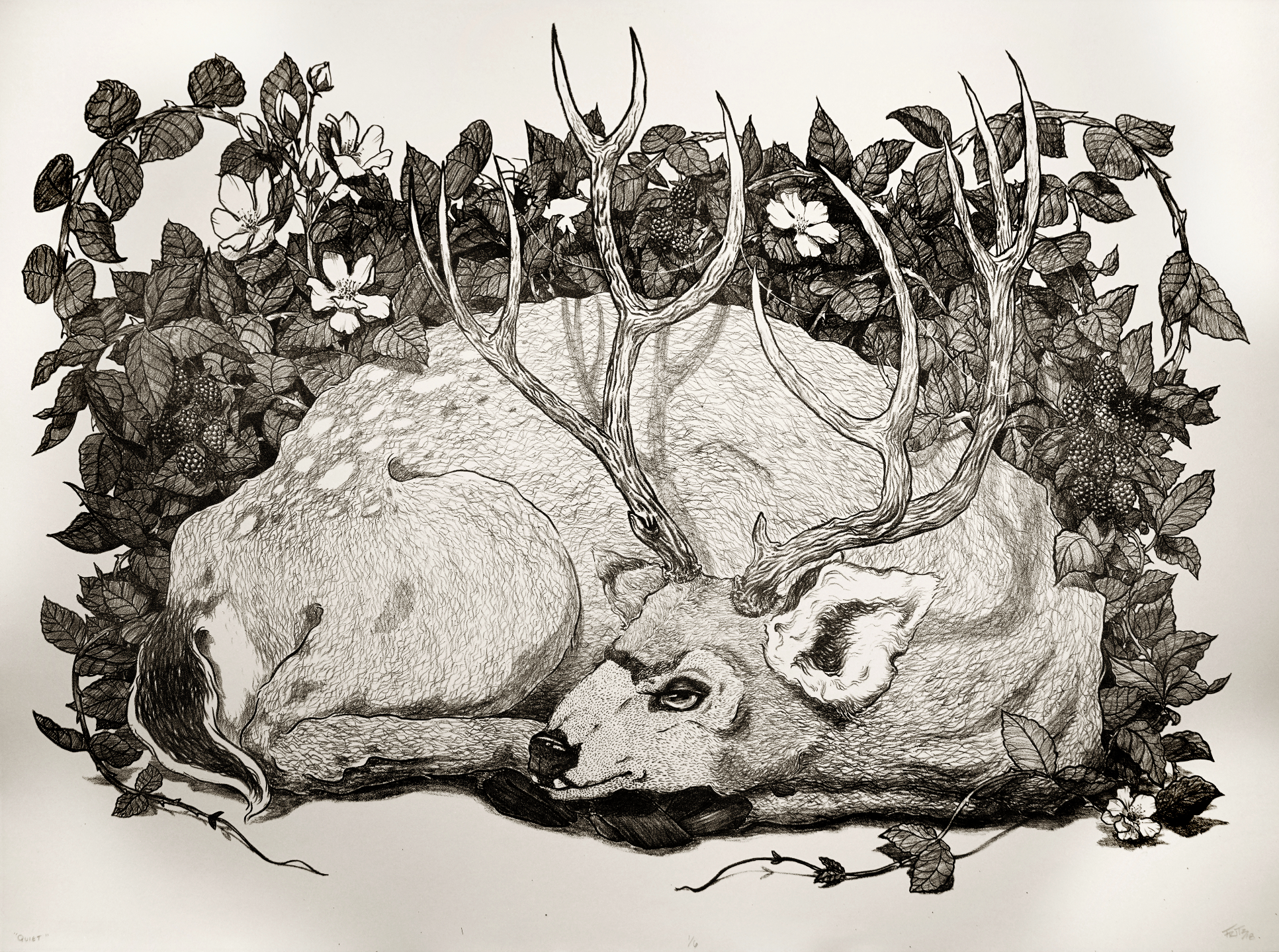
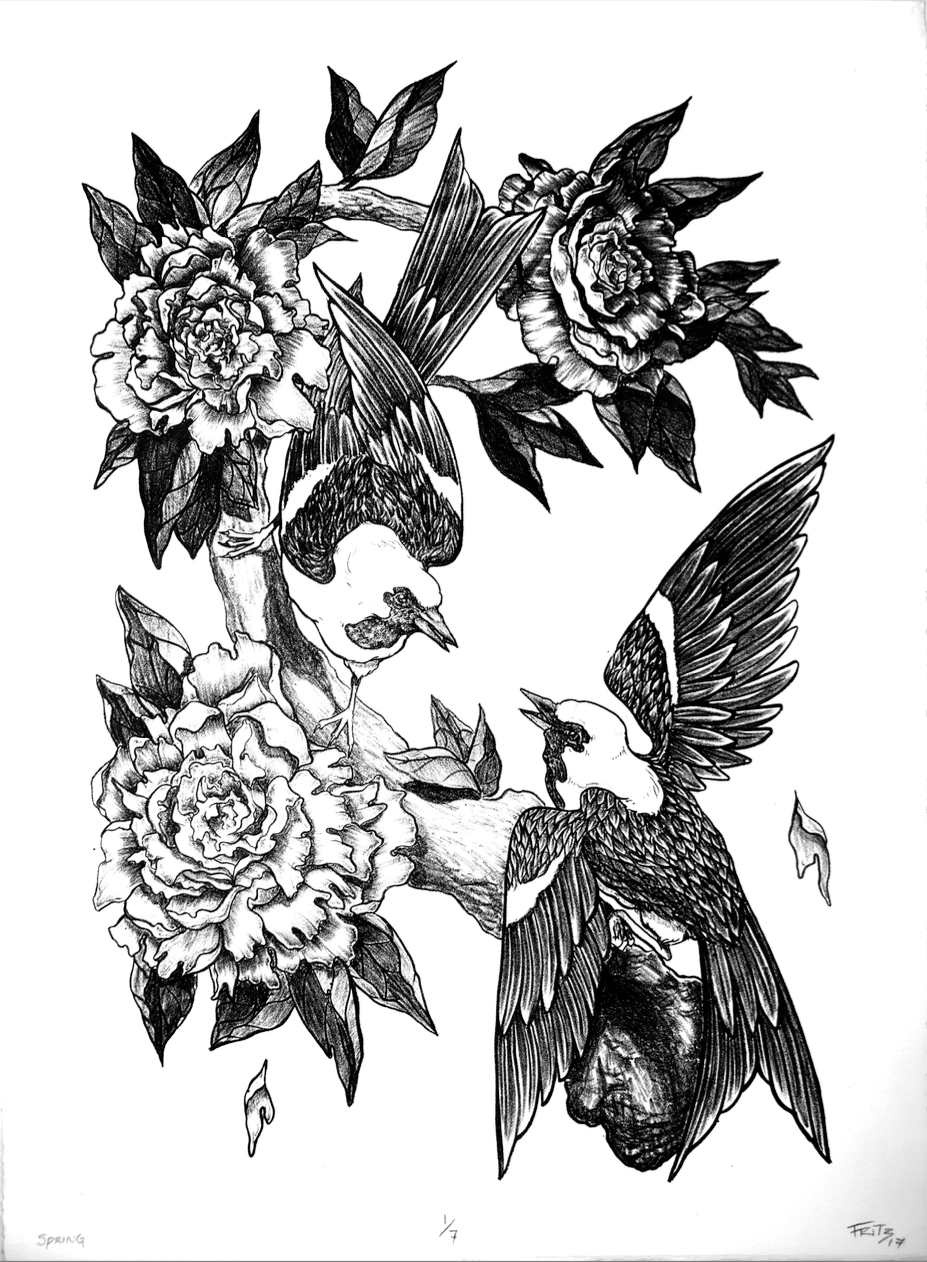
Lithography (from Ancient Greek λίθος (líthos) 'stone' and γράφω (gráphō)'to write')[1] is a planographic method of printing originally based on the immiscibility of oil and water.[2] The printing is from a stone (lithographic limestone) or a metal plate with a smooth surface. It was invented in 1796 by the German author and actor Alois Senefelder and was initially used mostly for musical scores and maps.[3][4] Lithography can be used to print text or images onto paper or other suitable material.[5] A lithograph is something printed by lithography, but this term is only used for fine art prints and some other, mostly older, types of printed matter, not for those made by modern commercial lithography.
Traditionally, the image to be printed was drawn with a greasy substance, such as oil, fat, or wax onto the surface of a smooth and flat limestone plate. The stone was then treated with a mixture of weak acid and gum arabic ("etch") that made the parts of the stone's surface that were not protected by the grease more hydrophilic (water attracting). For printing, the stone was first moistened. The water adhered only to the etched, hydrophilic areas, making them even more oil-repellant. An oil-based ink was then applied, and would stick only to the original drawing. The ink would finally be transferred to a blank sheet of paper, producing a printed page. This traditional technique is still used for fine art printmaking.[6]